Decoding Ant Invasion Signals for Better Home Protection
Ant invasions are more than just a nuisance; they can signal potential threats to your home’s safety and cleanliness. Understanding how ants communicate and operate is crucial in protecting your dwelling. By decoding ant invasion signals, you can take proactive measures to safeguard your home effectively. This guide will explore the essential aspects of recognizing and responding to these signals, providing insight into maintaining a pest-free environment.
Identifying Common Signs of Ant Invasions
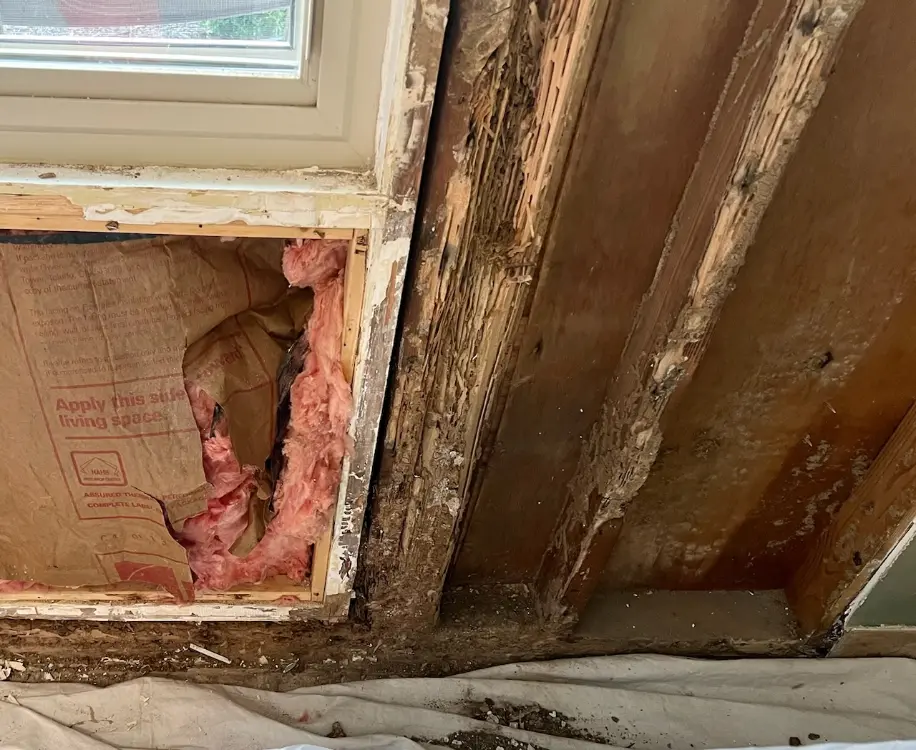
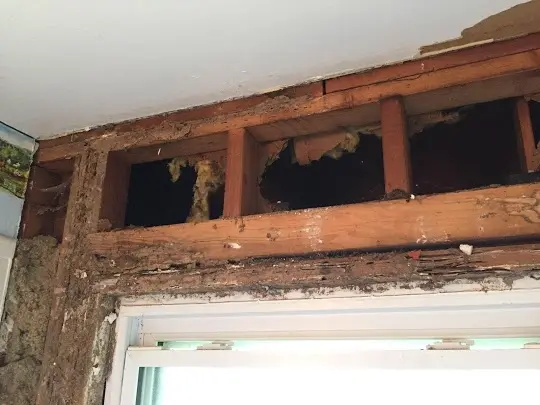
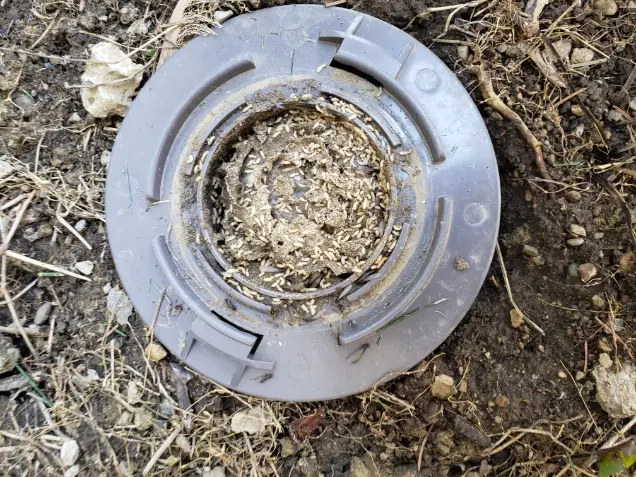
Ants are social insects that leave behind specific indicators when they invade. Look for trails of ants moving in lines or clusters as they travel between their nest and food sources. Finding small piles of dirt or sand near cracks and crevices often indicates nesting areas. Additional signs include seeing winged ants around windowsills, which suggests an established colony indoors. Recognizing these symptoms can help pinpoint entry points and address the issue before it escalates.
The Role of Pheromones in Ant Communication
Pheromones play a vital role in how ants communicate, leaving scent trails that guide others to resources. These chemical messages allow ants to alert their colony about food, danger, or suitable nesting sites. Understanding this behavior is key to effective ant control, as disrupting these trails can prevent further infestations. Using natural repellents or cleaning agents on entry paths can erase pheromone trails, deterring new arrivals.
Effective Strategies for Preventing Ant Infestations
To prevent ants from invading your home, start by sealing entry points like cracks in windows or doors. Ensure food is stored in airtight containers and clean up spills immediately to remove attraction sources. Regularly inspect your home’s perimeter for potential nesting sites and eliminate standing water where ants might gather. Implementing these strategies enhances your ability to maintain a pest-free environment without relying solely on pesticides.
Natural Remedies for Managing Ant Populations
While traditional chemical methods exist, many homeowners prefer using natural remedies for managing ant populations. Vinegar solutions can disrupt pheromone trails, while diatomaceous earth serves as a physical barrier against ants. Essential oils such as peppermint or tea tree oil can repel ants due to their strong scents. Combining these methods provides a holistic approach to controlling ant presence naturally.
Understanding the Impact of Seasonal Changes on Ant Behavior
Seasonal changes significantly affect ant behavior and movement patterns. During warmer months, ants are more active outdoors, searching for food and expanding colonies. In colder seasons, they may seek shelter within homes for warmth and sustenance. Being aware of these seasonal behaviors allows you to adjust preventative measures accordingly, ensuring your home remains protected year-round.
When Professional Intervention Becomes Necessary
While DIY approaches can manage minor ant issues, severe infestations may require professional intervention. Pest control experts possess the knowledge and tools necessary to eradicate large colonies effectively. They offer solutions tailored to your specific situation, ensuring comprehensive treatment of the problem without causing harm to your property or health. This expert support guarantees long-term relief from persistent ant problems.
Your Partner in Maintaining Ant-Free Homes
If you’re experiencing persistent ant issues despite efforts to control them, consider reaching out for professional help. Located in Dayton, OH, we specialize in addressing complex pest problems with effective solutions. Contact us at (937) 469-6128 to learn more about how our services can benefit you. At Midwest Termite & Pest Control, we prioritize your comfort and satisfaction by delivering quality results that protect your home from invasive pests.